
Is your "E-Bike" fleet actually a Deceptive Trade Practice?
The "wild west" of e-mobility is hitting a wall in the 2026 Texas Legislative Session. As we speak, HB 4089 and SB 1865 are moving through the Legislature, and the implications for Public Safety procurement are critical.
This surge of emobility discussions are a direct result of the D2C (Direct-to-Consumer) model that "solved" supply chain issues during the pandemic. In that rush, the line between a bicycle and a motor vehicle was blurred. Regardless of a device's stated intent, the general public—and many retailers—began viewing anything with two wheels and a battery as an "e-bike."
Today, that surge has left agencies with more questions than answers. States like New Jersey and California have already moved to strictly define these devices in response to fatal incidents involving "out-of-spec" equipment. Now, Texas is following suit, even though we have had emobility laws on the books for several years. The current proposed bills would make selling a 1000W+ motor as an "e-bike" a deceptive act under the Business & Commerce Code.
For Public Safety leaders, this isn't just a regulatory update—it defines your "Duty Standard". If the equipment doesn't match the legal definition, your agency’s "Standard of Care" is compromised and subject to a game of roulette.
Why this matters for your agency:
- The Policy Gap: If your SOPs and ordinances regulate "bicycles," but your fleet consists of "out of spec" or unregistered motor vehicles, your officers are operating outside of policy.
- The Training Gap: An officer trained on an analogue bicycle is not legally or tactically prepared for a high-torque e-mobility device. Training must match the tool.
- The Liability Trap: In a civil hearing, "we didn't know..." is a weak defense against a preponderance of evidence when state law clearly sets a standard.
Is your department prepared to defend the use of "out-of-class" vehicles in a pedestrian environment when the Legislature is actively labeling that marketing as deceptive?
Procurement isn't just about the best price today; it’s about the legal reality of tomorrow. Before you sign off on that next "deal," verify the wattage, verify the class, and verify the label.
If you’re realizing your fleet might have an identity crisis, the next question is hardware. Read our full breakdown on The Safety Gap in Police Procurement to review specific duty rated equipment that matches your policy.
Having the right tools is half the battle. If you're looking for a bike that’s built to handle this level of field maintenance, I manage fleet strategy over at Volcanic Bikes. Feel free to Contact me for duty-standard specs.
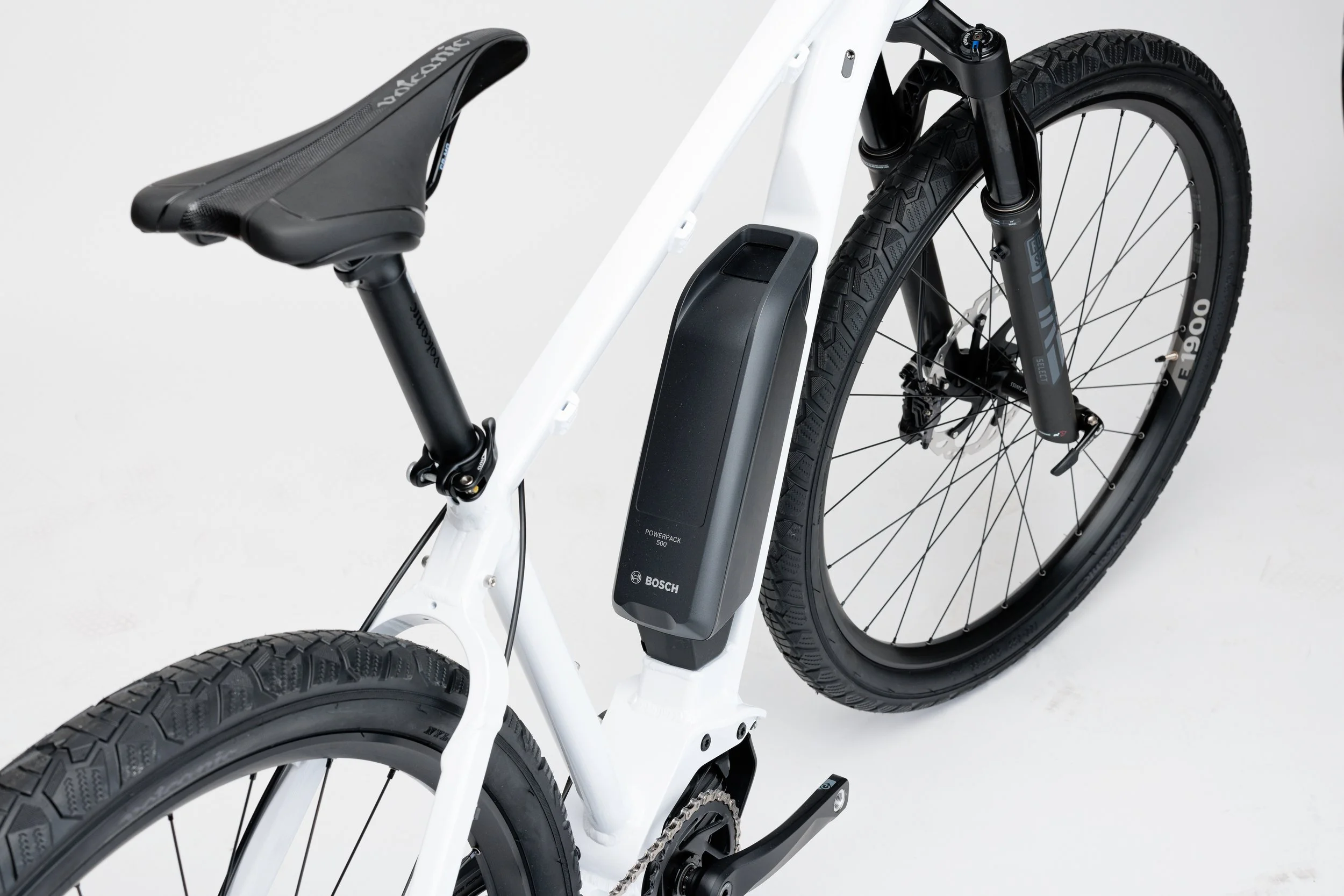
Need an IPMBA-compliant fleet? Contact our team at Volcanic Bikes.