
Bridging the Safety Gap: Why Police E-Bike Procurement is Broken (And How to Fix It)
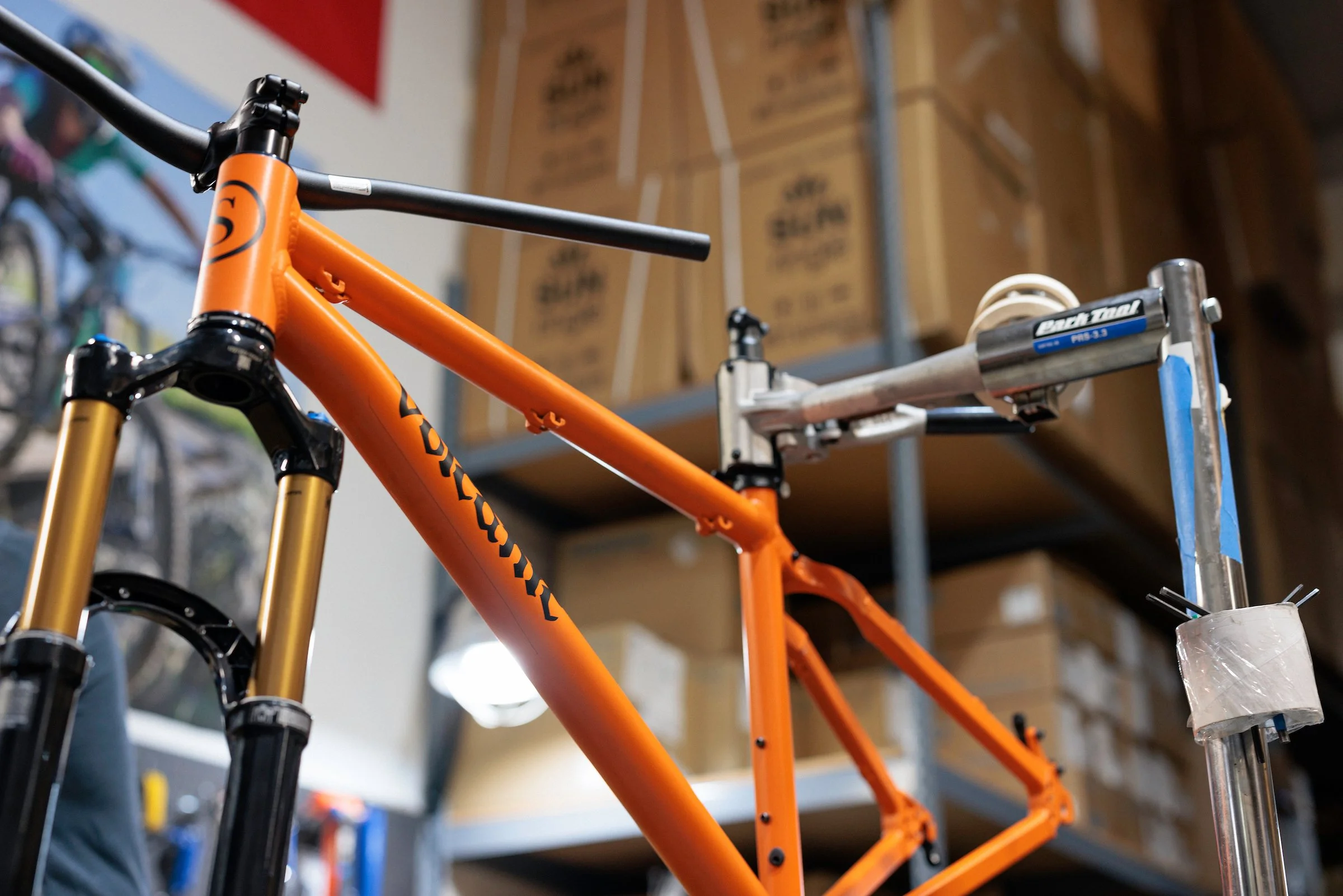
When a department selects a bike fleet, they aren’t just buying "bikes"—they are selecting a response vehicle. There is a significant safety gap trending in the market that needs to be on the table for administrations and procurement staff.
The Retail Standard is aimed at the recreational consumer. The vast majority of these frames are only rated for a total weight of 250 lbs. We have all seen the social media posts aiming to solve an "identity crisis" through wellness, but here is the professional reality: An average (a conservative value) 220 lb officer + 30 lbs of duty gear + 15 lbs of tactical/ALS equipment = 265+ lbs.
When you place that load onto a chassis rated for 250 lbs, you aren't just "pushing the limit"—you are maintaining a tool that is out of specification for the scope of work. Introducing frame fatigue that leads to catastrophic weld failure opens up massive risk and liability for the agency.
The solution is a Standard for Duty. At Volcanic, we don’t build for "recreation." We spec and build our APB to a professional standard that aligns with a public safety agency's need to reduce risk. We design our bikes through a lens of introspection: we too are public safety cyclists.
If your fleet isn't lab-certified for 100,000 cycles at a 400 lb payload, is it actually a "Duty Standard," or is it just a liability waiting to happen?
This article was originally published on LinkedIn on Feb 10, 2026 by Cameron Newton, IPMBA Instructor | eBike Fleet Strategist.